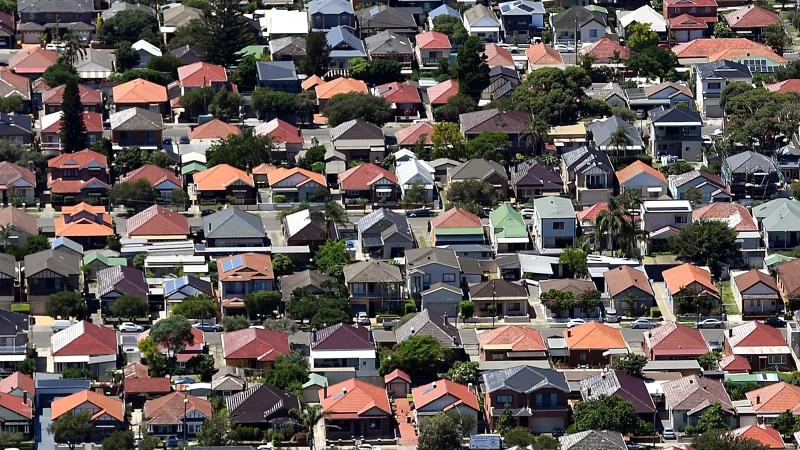
The Australian real estate market continues to evolve in response to changing economic conditions, interest rates and buyer demand. Property values, housing supply and lending conditions all influence market activity across the country, creating both opportunities and challenges for buyers, sellers and investors.
This article explores current Australian real estate market trends, the factors influencing property values and what to consider when navigating today’s property market.
1. Property Prices: Property values continue to vary across Australia depending on local supply, buyer demand, economic conditions and interest rates. While some regions experience stronger growth than others, market performance often differs between metropolitan, regional and rural areas.
2. Sales Activity: Buyer activity continues to be influenced by affordability, borrowing capacity and local market conditions. Properties in high-demand locations may attract strong interest, while other markets experience more balanced conditions.
3. Housing Supply: Housing supply remains an important factor affecting property prices. Limited housing stock in some areas can increase competition, while new developments may improve supply in others.
4. Mortgage Rates: Mortgage rates continue to influence borrowing capacity and purchasing decisions. Buyers should monitor lending conditions and seek financial advice where appropriate before entering the market.
Sydney, Melbourne and Brisbane: Sydney, Melbourne and Brisbane are among Australia’s largest and most active property markets. Market conditions vary between cities and individual suburbs, with factors such as housing supply, population growth, infrastructure projects, employment opportunities and buyer demand influencing property values and sales activity.
Regional Areas: Regional and rural property markets continue to attract buyers seeking lifestyle opportunities, affordability and access to growing communities. Demand may differ between locations depending on employment opportunities, infrastructure development and local economic conditions.
Investment Opportunities: Investment opportunities differ across Australia depending on rental demand, vacancy rates, local economic activity and long-term growth potential. Investors should research individual markets carefully and seek professional advice before making financial decisions.
Looking Forward:
Understanding Australian real estate market trends can help buyers, sellers and investors make more informed decisions. While market conditions vary across regions and change over time, staying informed through reliable industry sources can help you navigate opportunities and challenges with greater confidence.
Whether you’re considering a property purchase, planning to sell or exploring a career in real estate, understanding market trends is an important step. REAA offers nationally recognised real estate courses designed to help you build industry knowledge and practical skills.